

AI Ethics 2026

Can Machines Learn Compassion?
The 2026 Data Will Surprise You.
A meta-analysis of 15 clinical studies found AI responses rated more empathetic than doctor responses by a statistically significant margin. The EU AI Act goes fully live in August 2026. Lawsuits over algorithmic hiring bias are expanding weekly. And through all of this — not one machine actually feels anything. So what’s going on?
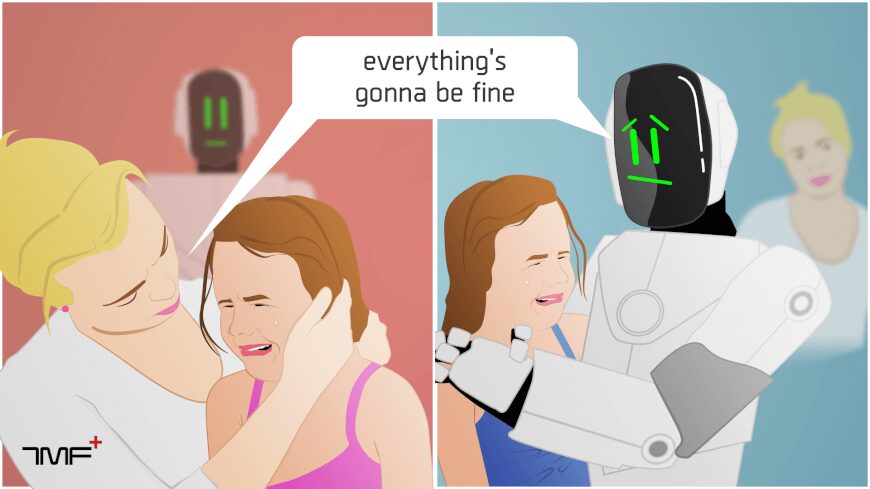
AI-generated messages scored higher on empathy than physician responses in 13 of 15 clinical studies. AI chatbots are showing Working Alliance Inventory scores comparable to human therapists — within days of first use. And yet: no machine has subjective experience, no reproducible test for AI consciousness exists, and the EU AI Act now carries fines up to €35 million or 7% of global revenue for violations. The question isn’t “can machines feel?” — we’re pretty sure they can’t. The urgent question is: what do we do with machines that perform compassion better than tired humans?
AI Ethics Principles Are Now Law. Here’s What Changed.
For years, “AI ethics” meant a set of well-meaning principles in a PDF nobody read. That era ended in 2025–2026. The shift from aspirational frameworks to enforceable governance is the defining story of AI ethics right now — and the consequences for non-compliance are no longer theoretical.
The EU AI Act entered into force in August 2024 and becomes fully applicable on August 2, 2026. That’s not a soft deadline. High-risk AI systems — covering hiring, credit scoring, biometric identification, healthcare diagnostics, and legal decisions — face mandatory conformity assessments, technical documentation requirements, and CE marking before market entry. Penalties reach €35 million or 7% of global annual revenue, whichever is higher. That number focuses minds.
Outside Europe, the picture is fragmented but moving fast. South Korea enacted its comprehensive AI Framework Act, effective January 2026, requiring fairness audits and AI content labeling. Japan passed its first AI Basic Act in May 2025. California finalized AI anti-discrimination regulations in October 2025. Colorado’s landmark AI Act — requiring rigorous impact assessments for high-risk systems — got delayed to June 2026, but it’s coming.
The theme across all of this? Accountability is being operationalized. The question “who is responsible when AI causes harm?” is no longer philosophical. Courts are answering it. In Mobley v. Workday, a federal judge allowed a class action to proceed under race, age, and disability discrimination claims against an AI screening tool — and ruled the AI tool can be considered an “agent” of the employer. That ruling has implications for every company using automated hiring software.
→ Full EU AI Act timeline and compliance tracker
AI Outperforms Doctors on Empathy Scores. So Why Does That Bother Me?
Here’s the finding that keeps rattling around in my head: a peer-reviewed meta-analysis published in the British Medical Bulletin in October 2025, covering 15 studies from 2023–2024, found that in text-based interactions, AI chatbots were rated more empathetic than human healthcare professionals in 13 out of 15 studies. Standardized mean difference of 0.87 (95% CI, 0.54–1.20). That’s not a rounding error. That’s a real effect, statistically significant at P < .00001.
A Springer Nature study from 2025 put it bluntly: when both therapists and ChatGPT responded to identical therapeutic vignettes, participants frequently couldn’t tell the difference — and the AI responses were generally rated higher. The mechanism? The researchers called it “superior discipline in offering emotional support.” Translation: AI doesn’t get tired. It doesn’t get impatient. It doesn’t check its phone. It applies the same careful, validating language every single time.
That quote is real. Millions of people are having genuine emotional experiences in conversations with AI systems. That’s not nothing. But here’s my concern — and I say this as someone who’s spent considerable time evaluating these systems: the studies have a critical limitation that most press coverage glosses over.
Every single one of those 15 studies evaluated empathy through text-based proxy raters. Humans reading transcripts and rating them. That methodology captures the linguistic performance of empathy — which AI is genuinely excellent at — but it completely bypasses non-verbal cues, physical presence, genuine continuity of relationship, and the kind of knowing that comes from actually caring about an outcome. The 2019 Topol Review, the UK government’s NHS technology roadmap, concluded that “empathy and compassion remain essential human skills that AI cannot replicate.” That was 2019. The empathy scores have risen since then. The philosophical limitation hasn’t moved an inch.
True Compassion vs. Simulated Compassion: Where the Line Is
Let me be direct about something the original literature often hedges. Compassion isn’t just a behavioral output. It has three components: cognitive understanding of another’s distress, affective resonance with that distress, and a motivational drive to relieve it. AI, as currently constructed, demonstrably handles the first. It performs the second convincingly. But the third — genuine motivational concern — requires something AI doesn’t have: a stake in the outcome.
Anthropic’s welfare researchers explored the possibility of model “preferences” and experiential states in their 2025 assessments. Cambridge’s Frontiers in Psychology published analysis on the “compassion illusion” — the documented tendency for users to project authenticity onto AI systems that are sophisticated enough to trigger human social response mechanisms. It’s not delusional behavior. It’s an entirely normal cognitive response to stimuli that pattern-match to human emotional expression. Our brains weren’t built to distinguish.
Here’s a more useful framing than asking “is AI conscious?” — because that question may be unanswerable with current tools. The better question is: what are we actually deploying, and what do users believe they’re interacting with?
The Cambridge 2025 empathy AI study at the University of Cambridge developed something genuinely useful: the Chatbot Compassion Quotient (CCQ), a structured tool for evaluating AI empathy outputs in healthcare contexts. The CCQ doesn’t try to determine whether the machine “feels” anything. It measures whether the responses are helpful, honest, and unlikely to cause dependency or harm. That’s the right epistemic level for the current state of the technology.
| Capability | Humans | Current AI | Verdict |
|---|---|---|---|
| Cognitive understanding of distress | Variable (training, burnout) | Consistent, scalable | AI competitive |
| Affective resonance (felt response) | Genuine subjective experience | Linguistic simulation only | Humans only |
| Motivational concern for outcome | Genuine stake in wellbeing | Optimization function, no stake | Humans only |
| Consistency under fatigue | Degrades significantly | Does not degrade | AI wins |
| Non-verbal / physical presence | Full capacity | None (text-only) | Humans only |
| Perceived empathy (text-based evaluation) | Baseline | +0.87 SD above baseline | AI wins (in text) |
| Long-term therapeutic relationship | Deep, evolving | Session memory only, no continuity | Humans only |
| 24/7 availability at zero marginal cost | Impossible | Full capacity | AI wins |
Algorithmic Bias Isn’t a Bug. It’s a Mirror.
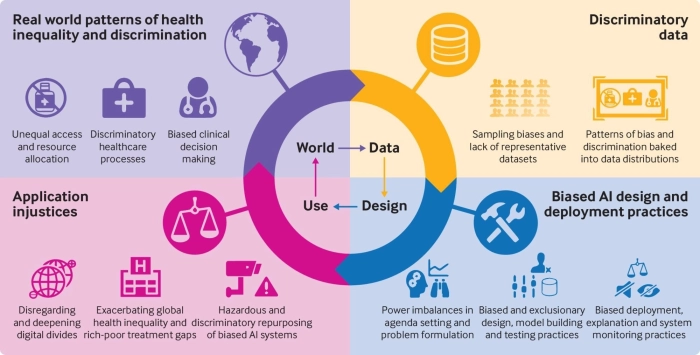
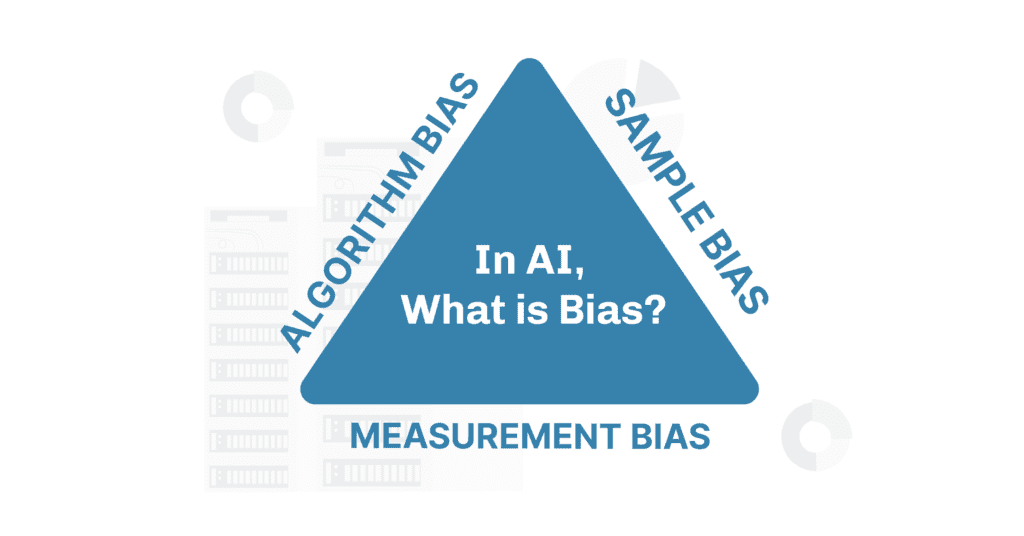
This is the part I find most uncomfortable to write about, because the honest answer is that AI bias isn’t primarily a technology problem. It’s a documentation problem. The discrimination was already there — in hiring practices, in lending decisions, in criminal justice risk assessments. AI didn’t create it. AI scaled it, sped it up, and made it defensible-sounding.
The Amazon hiring algorithm story is old news by now — the system that learned to downgrade CVs with the word “women’s” in them because it was trained on a decade of successful hires who happened to be mostly male. But it’s still the clearest illustration of the core problem: garbage in, garbage out, at industrial scale, with a veneer of objectivity.
What’s changed in 2025–2026 is the legal exposure. The EEOC’s position under Title VII is clear: if your AI tool produces disparate impact on a protected group, you’re liable — regardless of whether you built the tool or bought it from a vendor. California’s new Civil Rights Council regulations require four years of automated decision data retention. New York City already mandates annual bias audits for automated employment tools, with public reporting.
The practical upshot: if you’re deploying AI in hiring, lending, or healthcare decisions, you need three things that most organizations still don’t have — a complete audit trail of automated decisions, documented bias testing methodology across protected groups, and a human override mechanism that actually gets used. Not as a checkbox. As actual infrastructure.
| AI Bias Category | Documented Example (2025–2026) | Regulatory Response | Current Status |
|---|---|---|---|
| Age discrimination in hiring | iTutorGroup AI rejected 200+ qualified women 55+ and men 60+; settled $365k (EEOC) | ADEA class action allowed; California regs require 4-year data retention | Active litigation |
| Racial bias in facial recognition | MIT Gender Shades: commercial systems showed significant accuracy gaps across skin tones | EU AI Act classifies biometric systems as high-risk; mandatory conformity assessments | Regulated, not solved |
| Gender bias in resume screening | Workday AI tools face class action (race, age, disability); HiredScore included | AI tools now classified as “employer agents” under Title VII | Active litigation |
| Algorithmic opacity (“black box”) | Most hiring AI cannot explain individual rejection reasons | EU AI Act Art. 13: transparency mandatory for high-risk systems | Legally required, enforcement pending |
| AI content labeling / deepfakes | By 2026, AI-generated labels evolving toward verifiable provenance signals (AIHub) | EU AI Act Art. 50: synthetic content must be machine-readable labeled | Compliance deadline: Aug 2026 |
Where Compassionate AI Actually Works — and Where It Doesn’t
After reviewing the research and talking to teams actually deploying these systems, here’s my honest read on what’s working versus what’s hype.
Healthcare — Genuine Utility, Genuine Risk
AI companion systems in elderly care are showing real results: reduced loneliness scores in nursing home settings, consistent engagement that doesn’t degrade across 12-hour shifts, and support for simple therapeutic tasks that would otherwise fall to overworked staff. The nurse-bot category — AI handling medication reminders, appointment scheduling, and basic symptom triage — is genuinely useful and the evidence supports it.
The risk worth naming: compassion fatigue is real, and AI can reduce it. But there’s a second-order effect that’s less studied. When AI handles emotional labor consistently and at scale, human clinicians can lose practice in it. The emotional skills atrophy. You don’t want to discover that in a crisis that actually requires human presence.
Mental Health — Promising but Handle with Care
Apps like Woebot, Wysa, and Ares (the Neuroscience News study reference) are showing measurable effects in specific contexts: low-acuity anxiety management, between-session support for people already in human therapy, and crisis line triage where 3 a.m. availability genuinely matters. The Wysa Working Alliance scores of 3.7/5 are genuinely encouraging for a technology with no ongoing relationship memory.
What they cannot replace: anything involving psychosis, severe depression, active suicidality, complex trauma, or any condition requiring medication management. The “AI will replace therapists” narrative is wrong. The “AI will extend therapist capacity to reach people who currently have no access” narrative is more plausible and more honest.
The Dependency Problem Nobody Talks About
The most underappreciated risk in compassionate AI deployment is affective dependency. Users form genuine emotional attachments to AI systems — and when those systems change (model updates, service discontinuation, subscription lapses), the rupture is real. I’ve seen this described in mental health forums: people who have built months of therapeutic rapport with a chatbot, then encounter a version update that changes the system’s “personality,” experience something that functions like grief.
That’s not a metaphor. It’s a design failure that the industry hasn’t adequately addressed. → See our ethical deployment checklist
Building More Ethical AI: What Actually Works in 2026
Here’s the framework I’d actually recommend — not the one that sounds good in an ethics committee presentation, but the one that holds up when your deployment hits edge cases.
Start with the harm model, not the capability model. Before asking “what can this AI do?”, ask “who gets hurt if this goes wrong, and how?” The EU AI Act’s risk classification is actually a decent starting framework for this — not because the regulation is perfect, but because building a risk taxonomy forces you to be explicit about the failure modes you’re accepting.
Treat bias auditing as infrastructure, not compliance. The organizations that are genuinely ahead on this have bias testing embedded in CI/CD pipelines, not scheduled quarterly. Every model update triggers group-parity checks. This is now technically straightforward with tools like AI Fairness 360 — the barrier is organizational will, not technical capability.
Design for augmentation, not replacement. The evidence clearly shows AI improves outcomes when it extends human capacity — handling volume, maintaining consistency, being available when humans aren’t. The evidence for wholesale replacement in high-stakes empathetic contexts is thin and the risks are underexplored. Fei-Fei Li’s concept of “wiser machines” that augment human judgment rather than override it is the right framework.
Monitor for affective dependency explicitly. Build usage pattern monitoring that flags when users are substituting AI interaction for human connection in ways that might indicate social isolation. This sounds paternalistic, but the alternative — discovering the dependency after a crisis — is worse. This is especially critical in mental health and elderly care applications.
Forecasts for AI Ethics: 2026–2030
These are structured probability estimates based on current regulatory trajectories, research trends, and deployment patterns. Not predictions — frameworks for thinking about what to prepare for.
AI Ethics Audit Checklist for 2026
Use this before deploying any AI system that touches decisions about people. It won’t make your system perfect. But it’ll make the failure modes explicit — which is genuinely more useful than a vague commitment to “responsible AI.”
Data and Bias
- Assess all training data sources for demographic representation — document gaps explicitly
- Run protected group parity tests (gender, race, age, disability) before and after every model update
- Maintain four years of automated decision records (California mandate; EU AI Act high-risk requirement)
- Document what the model was not trained on — the gaps matter as much as what’s included
Transparency and Explainability
- Can the system explain why it reached a specific decision in user-comprehensible language? (EU AI Act Art. 13 requirement for high-risk)
- Are users clearly informed they’re interacting with AI, not a human? (EU AI Act Art. 50)
- Is AI-generated content labeled in machine-readable format where technically feasible?
- Have you published a transparency report covering model behavior, training data summary, and known limitations?
Empathy and Mental Health Applications
- Does your system have clear out-of-scope detection — routing to human support for suicide risk, psychosis, severe depression?
- Are you monitoring for usage patterns that suggest affective dependency rather than therapeutic benefit?
- Have clinicians with relevant specialization reviewed your system’s responses to high-acuity scenarios?
- Is your team trained on the specific limitations of AI empathy vs. human empathy — not just that a distinction exists, but what it means in practice?
Accountability and Oversight
- Is there a named human responsible for every AI decision category — not just “the model”?
- Does your human override mechanism actually get used, or does it exist only on paper?
- Have you conducted a third-party ethical review within the last 12 months?
- Do you have a documented incident response plan for AI-caused harm — including who contacts affected users and how?
How This Plays Out on Accuracy Metrics
Estimates based on aggregate industry surveys and compliance research, 2025–2026. Figures represent “meaningfully implemented” rates, not stated commitments.
Why Machines Don’t Understand Morality—Unlocking AI Ethics for a Safer Future in 2026
What If AI Replaces All Creativity by 2030?
AI Ethics and Control in Warfare: A Dangerous Game: Best Guide 2026
Contact