
The Shocking Future of AI
In an era where artificial intelligence permeates every aspect of daily life, the boundaries of human identity are undergoing profound transformation. From personalized algorithms shaping our preferences to advanced systems simulating consciousness, AI is not merely a tool but a mirror—and increasingly, a mold—for who we are.
This article explores the technological, ethical, and societal shifts ahead, drawing on insights from leading institutions to forecast implications through 2040. As AI evolves, it challenges core notions of autonomy, agency, and selfhood, demanding proactive strategies to preserve what makes us uniquely human.
Understanding Human Identity in the Digital Age
Traditional Views of Identity
Historically, human identity has been rooted in philosophical, psychological, and sociological frameworks. Thinkers like John Locke emphasized personal continuity through memory, while Erik Erikson’s stages of psychosocial development highlighted identity formation via social interactions. These foundations are now intersecting with digital ecosystems, where data trails become extensions of the self.
How AI is Reshaping Self-Perception
AI accelerates this evolution by curating experiences that reinforce or alter our self-image. Through recommendation engines on platforms like Netflix or Spotify, users encounter content that mirrors their inferred traits, creating a feedback loop of self-fulfilling prophecies. According to Stanford’s Human-Centered AI Institute, this “algorithmic mirroring” can enhance self-awareness but risks narrowing perspectives (Stanford HAI).

Future of AI Part 2
The Rise of Algorithmic Selves
Predictive Personalization and Feedback Loops
Predictive AI analyzes vast datasets to anticipate needs, from shopping suggestions on Amazon to career advice via LinkedIn’s AI tools. This personalization fosters convenience but can erode agency, as users defer decisions to algorithms. A study by MIT’s Computer Science and Artificial Intelligence Laboratory (CSAIL) reveals how these systems create echo chambers, influencing political views and social connections (MIT CSAIL).
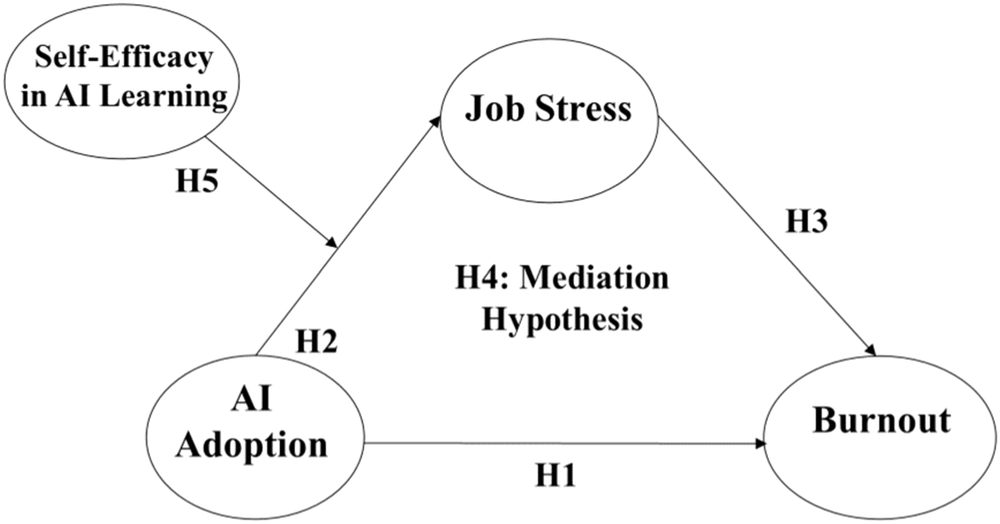
The mental health implications of artificial intelligence adoption …
Quantified Self and Emotional Delegation
Wearables like Fitbit quantify health metrics, while AI companions such as Replika handle emotional support. This delegation externalizes introspection, potentially diminishing innate emotional intelligence. Harvard’s Berkman Klein Center warns of “emotional atrophy” in over-reliant users.
Advanced AI Technologies Transforming Identity
Multi-agent AI Automation
Multiagent systems, where multiple AI entities collaborate, are revolutionizing automation. In healthcare, agents coordinate diagnostics, treatment plans, and patient monitoring, augmenting human roles. IEEE Spectrum highlights the efficiency of multi-agent systems in complex tasks, as they outperform single agents by distributing the cognitive load.

Why Does Multi-Agent AI Handle Complexity Better Than Single-Agent AI?
On-Device WASM Machine Learning
WebAssembly (WASM) enables high-performance ML on devices without cloud dependency, enhancing privacy. Apps like TensorFlow.js run models locally, allowing personalized AI without data leakage. Google’s Developers Blog details how WASM accelerates on-device inference, reducing latency and empowering user control Google Developers.

8 Best AI Wireframing Tools in 2025
Privacy-First Generative Apps
Generative AI, like Stable Diffusion variants, now prioritizes privacy through federated learning. These apps create content on user devices, avoiding centralized data risks. ACM’s Communications magazine discusses its role in creative expression while safeguarding ACM’s identity.
Edge-Driven IoT Systems
Edge computing in IoT integrates AI at the network’s periphery, enabling real-time decisions in smart homes or cities. This approach decentralizes control, fostering hybrid human-AI ecosystems where identity extends to connected devices. W3C‘s Web of Things standards ensure interoperability.
Combining Edge Computing-Assisted Internet of Things Security with other technologies enhances data protection and user privacy.
Ethical and Societal Implications
Threats to Autonomy and Agency
As AI assumes more roles, human agency may diminish. Surveillance capitalism, as coined by Shoshana Zuboff, commodifies personal data, reshaping identities for profit. The Future of Life Institute advocates for ethical guidelines to mitigate this hour of life.
Blurring Lines Between Human and Machine
Artificial consciousness could redefine identity, with AI exhibiting self-awareness. Philosophical debates from David Chalmers question whether machines can possess qualia, blending human-machine boundaries.

The full article titled “The Thousand Faces of Images in AI News” can be found at the following link:
The Future Outlook: Scenarios by 2040
Optimistic Visions
By 2040, AI could amplify human potential, enabling symbiotic relationships where identities flourish through augmented creativity and empathy. Pew Research updates suggest collaborative AI fostering global equity.
Dystopian Risks
Conversely, unchecked AI might lead to identity erosion, with algorithmic biases perpetuating inequalities. Scenarios include mandatory AI integrations for social participation, as explored by Oxford’s Future of Humanity Institute (Oxford FHI).
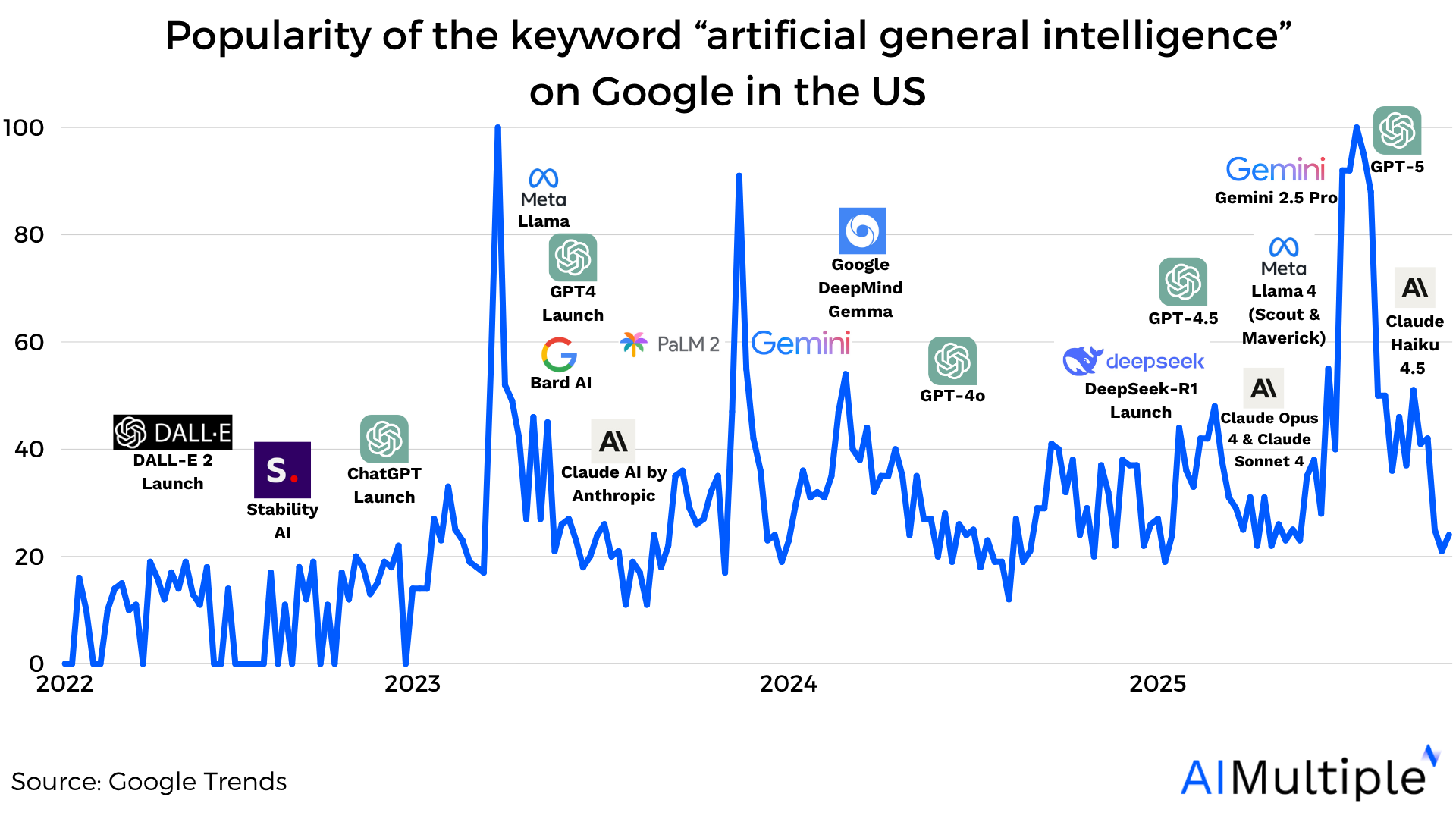
When Will AGI/Singularity Happen? 8,590 Predictions Analyzed
Strategies for Preserving Human Identity
Algorithmic Literacy
Educating users on AI mechanics empowers informed engagement. Initiatives like Mozilla’s Data Futures Lab provide resources for Mozilla literacy.
Ethical AI Design
Designers must prioritize transparency and user consent. Guidelines from the European Commission’s AI Act set precedents for trustworthy systems in the EU AI Act.
Conclusion
The future of artificial intelligence and human identity depends heavily on achieving a balanced approach to innovation. By thoughtfully embracing cutting-edge technologies and simultaneously upholding strong ethical standards, we can successfully navigate this profound and sometimes shocking evolution. This careful balance will ultimately lead us toward a more empowered and enriched humanity, where technological progress and human values coexist harmoniously.
20 primary keywords: AI human identity, algorithmic self, multiagent AI, on-device ML, WASM machine learning, privacy generative apps, edge IoT systems, AI autonomy threats, artificial consciousness, feedback loops, quantified self, emotional delegation, predictive personalization, ethical AI, AI future 2040, human agency, self-perception AI, identity evolution, surveillance capitalism, algorithmic literacy